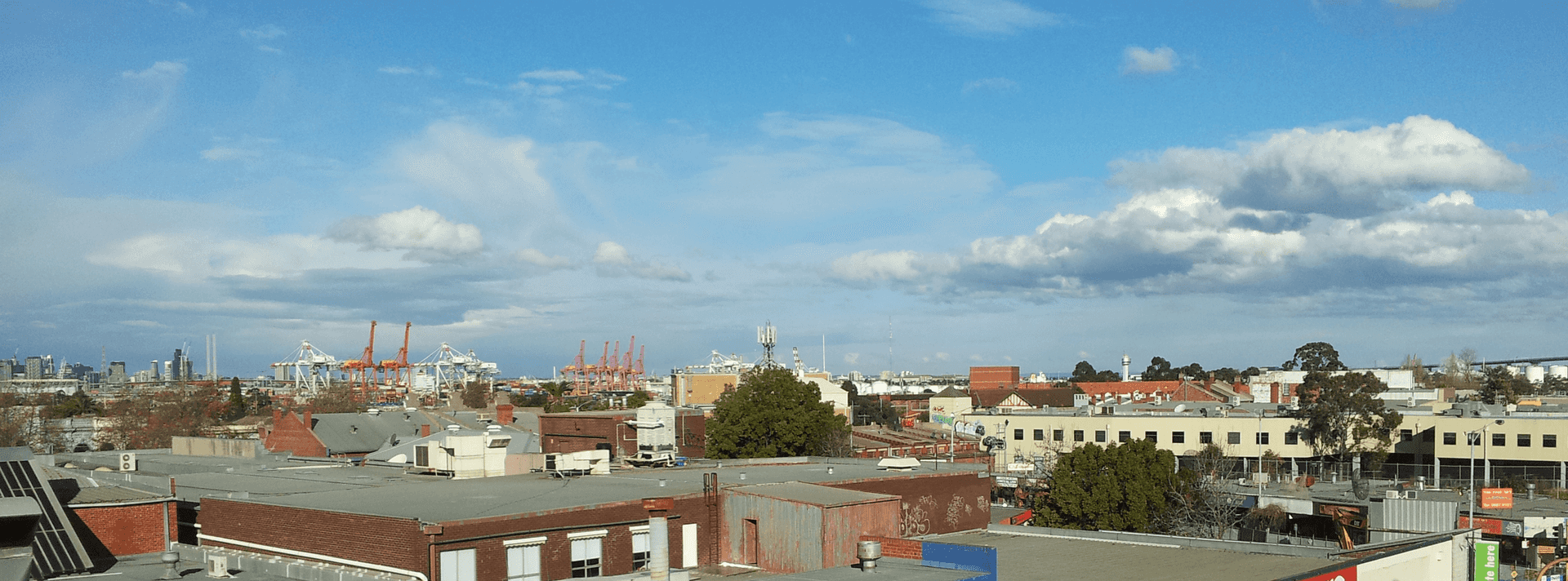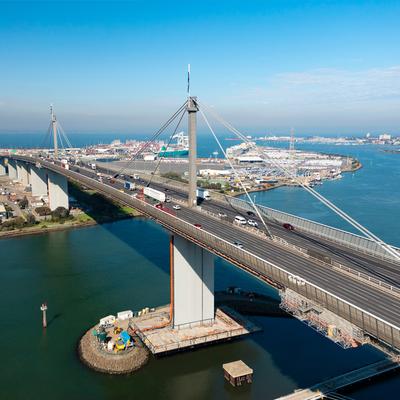
Buyers agent for St Albans VIC3021
Your complete St Albans property guide
Your trusted guide to finding the perfect property in St Albans.
Book your free consultation
Trish Moore B.Bus (Acc) FCA
Principal Buyers Agent
Estate Agent Licence
VIC 087665L

Loading map...
What's it like living in St Albans?
The train station sits below the road now, lowered into a trench in 2016 after decades of boom gates causing gridlock and worse. That level crossing on Main Road was once ranked among Victoria's most dangerous. Today the rebuilt St Albans station feels modern, almost optimistic, with escalators descending to platforms that carry commuters into the city in about 25 minutes on the Sunbury line. The transformation is recent enough that long-term residents still remark on it. For a suburb that spent decades being overlooked, the infrastructure investment signalled something had shifted.
St Albans sits 17 kilometres northwest of Melbourne's CBD in the City of Brimbank. The population at the 2021 census was just over 38,000, making it one of the larger suburbs in the western region. What defines St Albans more than anything is its cultural composition. Only 32.5 percent of residents were born in Australia. The largest overseas birthplace is Vietnam at 21.5 percent, followed by India, the Philippines, and Malta. Vietnamese is the most commonly spoken language at home, ahead of English. Walk down Alfrieda Street on any given morning and you will hear Cantonese, Punjabi, Maltese, Arabic, and Greek spoken between shopfronts selling pho, banh mi, and groceries imported from Saigon.
The suburb was established as a township in 1887 when the Cosmopolitan Land and Banking Company subdivided 512 hectares around a new railway station. Manager Alfred Padley insisted the station be named after St Albans Cathedral in England, a connection to his maternal ancestors. Development stalled through the 1890s depression, and by 1940 only around 700 people lived here. The real growth came after World War Two. European migrants, many of them refugees and sponsored labourers, arrived in waves through the 1950s and 1960s. Yugoslav, Maltese, and Italian families settled in the new housing commission estates. By the 1960s, locals had started calling St Albans 'Little Malta' because of the concentration of Maltese residents. That European heritage is still visible in the Orthodox churches dotted through the suburb and the occasional Slovenian deli tucked between Vietnamese grocers.
The Vietnamese community arrived later, primarily as refugees after the fall of Saigon in 1975. Australia's refugee resettlement program brought thousands of Vietnamese families to Melbourne's west through the late 1970s and 1980s. St Albans became a major settlement point, and the community grew rapidly through family reunion schemes and further migration. Today, 2025 marks fifty years of Vietnamese settlement in Australia, and St Albans remains one of Melbourne's most significant Vietnamese population centres. Alfrieda Street is the commercial heart of this community. Food bloggers and locals alike regard it as one of the best strips for Vietnamese food in Melbourne, rivalling Richmond's Victoria Street and Footscray. Banh mi rolls, pho, broken rice dishes, and steamed rice paper rolls draw people from across the city. The produce shops sell vegetables and herbs you will not find in standard supermarkets. Men play Chinese chess at tables outside cafes on weekends.
St Albans Melbourne has three train stations on the Sunbury line: Ginifer, St Albans, and Keilor Plains. All sit in Zone 2, making commuting relatively affordable. The line was electrified to St Albans in 1921, extended to Sydenham in 2002, and then to Sunbury in 2012. Bus routes connect to surrounding suburbs including Sunshine and Keilor Downs. The Western Ring Road provides freeway access for drivers. Melbourne Airport is roughly 20 to 25 minutes by car depending on traffic.
Victoria University operates its St Albans Campus on McKechnie Street, a 32-hectare site set among native grasslands and sugar gums on land that was once the Albion Explosives Factory. The campus opened in 1987 as part of the Western Institute, specifically designed to serve communities underrepresented in higher education. It now focuses on health, nursing, psychology, and biomedical sciences, with a health and fitness centre opened in 2013. The presence of a university campus within the suburb provides local employment, study options without long commutes, and a steady flow of students through the area.
Parks are spread through St Albans, though none are destination-scale. Errington Reserve on Main Road East features an accessible playground designed for children of all abilities, with sensory equipment and space for carers to stay close. Churchill Reserve offers walking paths and sports facilities. The western edge of the suburb connects to Kororoit Creek, which threads through Melbourne's west from Sunbury to Altona. The creek corridor has undergone extensive revegetation by volunteer groups including Friends of Kororoit Creek. Walking and cycling trails follow the creek through neighbouring Albion and Sunshine West, with basalt rock outcrops hinting at the volcanic geology of the western plains. Scar trees along the creek mark Wurundjeri country.
Sport matters here. The St Albans Saints soccer club, backed by the Croatian community, and the Green Gully Cavaliers, backed by the Maltese community, both compete in the Victorian Premier League. These are not suburban kick-abouts. Both clubs have significant followings and have produced players who moved into professional football. The St Albans Football Club competes in the Western Region Football League, though the club is technically based in neighbouring Kings Park.
Families looking at St Albans will find a range of schools across primary and secondary levels, including Catholic schools near the shopping centre and state schools spread through the residential streets. The suburb has historically offered relatively affordable entry points compared to suburbs closer to the city, which has attracted first home buyers and investors. Housing stock is mixed. Some properties date to the postwar boom, modest brick homes on decent-sized blocks. Others are newer townhouses responding to subdivision and density increases.
Crime statistics for the suburb are higher than the metropolitan average, particularly property offences. The area immediately around the station can feel less comfortable after dark. But that experience differs from the residential streets further from the commercial centre. Long-term residents often make the distinction between where you buy and where you shop. The suburb is large, and the character shifts street by street.
What draws people to St Albans Melbourne is practical. Train access, affordability relative to inner suburbs, and established infrastructure including schools, shops, medical centres, and the university campus. What keeps them is often the food, the diversity, and the sense that this is a community built by people who chose to make a new home. The Vietnamese Museum Australia, currently under construction in nearby Sunshine with nearly ten million dollars in state funding, will honour the refugee stories and cultural contributions of the community that transformed suburbs like St Albans over the past fifty years. That history is already visible on Alfrieda Street, in the produce shops and noodle houses and bakeries that have fed generations of locals and drawn visitors from across Melbourne looking for something genuine.
Living in St Albans means accepting a suburb that does not pretend to be something it is not. It is working class, multicultural, and unpretentious. The streets are not leafy in the way eastern suburbs streets are leafy. The shopping strip is functional rather than curated. But the pho is excellent, the train runs frequently, and the houses have backyards. For buyers and investors willing to look past the reputation, St Albans offers substance and proximity to infrastructure that many newer estates lack.
The information provided is for general information purposes only and does not constitute legal, financial, or professional advice. While care has been taken to ensure accuracy, the information may not be complete, current, or applicable to your specific situation. You should always do your own research and, where appropriate, seek advice from a qualified professional before making any decisions based on this information.
Looking to buy property in St Albans?
Let's talk about what you're looking for and how we can help. No obligation, no pressure, just an honest conversation about your property goals.
The St Albans property market
Data from Q2 2025 · Victorian Property Sales Report
These charts show median property prices, sales activity, and investment metrics for St Albans. The median price represents the middle value of all sales—half sold for more, half for less—giving a more accurate picture than averages, which can be skewed by unusually high or low sales.
Price History (2013-2024)
Annual median prices showing long-term capital growth trends. Use this to assess how the suburb has performed through different market cycles.
Investment Performance
CAGR (Compound Annual Growth Rate) shows average yearly growth accounting for compounding—a key metric for comparing investment returns.
Gross Rental Yields
Annual rent as a percentage of property price. Higher yields mean better cash flow; lower yields often indicate stronger capital growth potential.
Q2 2025 Sales Volume
Number of properties sold this quarter. Higher volumes indicate more market activity and reliable pricing data.
Recent Price Changes
Quarterly shows change from last quarter; Annual (YoY) compares to the same quarter last year, smoothing seasonal effects.
Data Sources: Property sales data from Victorian Property Sales Report (Department of Transport and Planning). Rental data from Homes Victoria Rental Report. All data licensed under Creative Commons Attribution 4.0.
Demographics of St Albans
Based on 2021 Australian Census
Age Distribution
Housing Tenure
Income & Housing Costs
| Median Personal Income (weekly) | $491 |
| Median Family Income (weekly) | $1,317 |
| Median Rent (weekly) | $325 |
| Median Mortgage (monthly) | $1,500 |
Top Occupations
Transport to Work
Languages Spoken at Home
| English only | 21.6% |
| Vietnamese | 29.2% |
| Punjabi | 4.2% |
| Maltese | 2.7% |
| Cantonese | 2.4% |
| Arabic | 2.1% |
Country of Birth
| Australia | 32.5% |
| Vietnam | 21.5% |
| India | 5.8% |
| Philippines | 3% |
| Malta | 2.7% |
| Iraq | 1.4% |
Dwellings
| Total Dwellings | 14,455 |
| Occupied Dwellings | 12,379 |
| Unoccupied Dwellings | 1,039 |
Data Source: Australian Bureau of Statistics, 2021 Census of Population and Housing. View full census data →
Schools in St Albans
14 schools found
| School Name | Type | Sector | Year Range | ICSEA | Enrolments |
|---|---|---|---|---|---|
| Jackson School | Special | Government | U | 965 | 320 |
| Kings Park Primary School | Primary | Government | Prep-6 | 966 | 406 |
| St Albans East Primary School | Primary | Government | Prep-6 | 946 | 381 |
| St Albans Heights Primary School | Primary | Government | Prep-6 | 951 | 230 |
| St Albans Meadows Primary School | Primary | Government | Prep-6 | 982 | 438 |
| St Albans North Primary School | Primary | Government | Prep-6 | 959 | 186 |
| St Albans Primary School | Primary | Government | Prep-6 | 964 | 281 |
| St Albans Secondary College | Secondary | Government | 7-12 | 963 | 1,680 |
| Stevensville Primary School | Primary | Government | Prep-6 | 942 | 201 |
| University Park Primary School | Primary | Government | Prep-6 | 997 | 254 |
| Victoria University Secondary College | Secondary | Government | 7-12 | 964 | 1,213 |
| Catholic Regional College St Albans | Secondary | Catholic | 7-10 | 932 | 508 |
| Holy Eucharist School | Primary | Catholic | Prep-6 | 970 | 566 |
| Sacred Heart School | Primary | Catholic | Prep-6 | 953 | 296 |
Data Source: Australian Curriculum, Assessment and Reporting Authority (ACARA), MySchool data. ICSEA (Index of Community Socio-Educational Advantage) represents the relative socio-educational advantage of students. The average ICSEA score is 1000.
Places of interest in St Albans
- Errington Reserve
- Main Road East Shopping Precinct
- Alfrieda Street (Vietnamese food hub)
- St Albans Market
- St Paraskevi Greek Orthodox Church
- Serbian Orthodox Church of St George
- Westvale Community Centre
- Kororoit Creek Regional Park
- St Albans Railway Station Heritage
Nearby attractions
- Watergardens Town Centre in Taylors Lakes (250+ stores, major shopping and entertainment hub)
- Organ Pipes National Park (near Keilor)
- Brimbank Park
- Kororoit Creek Regional Park
Buyers agent St Albans VIC3021
Can a buyers advocate help first home buyers in St Albans?
Absolutely. First home buyers in St Albans benefit enormously from professional guidance. We explain the entire process, help you understand your borrowing capacity, identify suitable properties, and negotiate on your behalf. We're particularly valuable in helping first-timers navigate market conditions and avoid common mistakes.
How do you negotiate better prices for properties in St Albans?
Our negotiation success in St Albans comes from thorough market research, understanding seller motivations, and strategic positioning. We know what properties are genuinely worth and use this knowledge to negotiate firmly but fairly. Our professional relationships and experience mean we can achieve outcomes that private buyers typically can't.
What happens after I engage your services in St Albans?
After engagement, we begin an active search for properties matching your criteria in St Albans. We attend inspections, provide market analysis, and present suitable opportunities. Once we identify the right property, we handle negotiations, coordinate due diligence, and guide you through to settlement. You're informed at every step but we manage the detail.
How soon after engaging you will I find a property in St Albans?
Timeframes vary depending on your criteria, budget, and market conditions in St Albans. Some clients find their property within weeks, others take several months. We focus on finding the right property rather than rushing into a purchase. We'll give you realistic expectations based on your requirements and current market availability.
How do I get started with buying a property in St Albans?
Start with a complimentary discovery call where we discuss your needs, budget, timeline, and goals for St Albans. We'll explain our process, answer your questions, and determine if we're a good fit for working together. If we proceed, we'll formalize our engagement and begin your property search immediately.