Buyers agent for Seddon VIC3011
Your complete Seddon property guide
Your trusted guide to finding the perfect property in Seddon.
Book your free consultation
Trish Moore B.Bus (Acc) FCA
Principal Buyers Agent
Estate Agent Licence
VIC 087665L

Loading map...
What's it like living in Seddon?
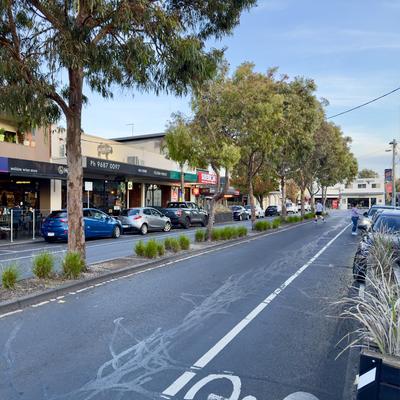
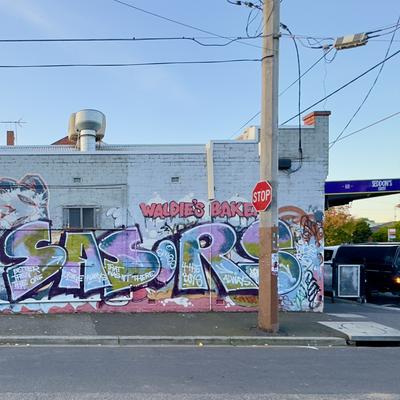
Seven kilometres west of Melbourne's CBD, Seddon occupies less than one square kilometre yet delivers concentrated village atmosphere that larger suburbs struggle to replicate. Walk along Charles Street or Victoria Street through the compact commercial core and you encounter independent bookstores, boutique shops, pet-friendly cafes serving quality coffee, and street art adorning heritage buildings. With a population of 5,143 at the 2021 census, this former working-class pocket transformed over two decades into one of western Melbourne's most expensive suburbs, surpassing $1.2 million median house prices in areas where properties traded for $15,000 in the 1970s. The gentrification story here reads like compressed urban renewal, where proximity to the city, heritage character, and deliberate community building created demand outstripping supply in suburb so small that everything sits within walking distance.
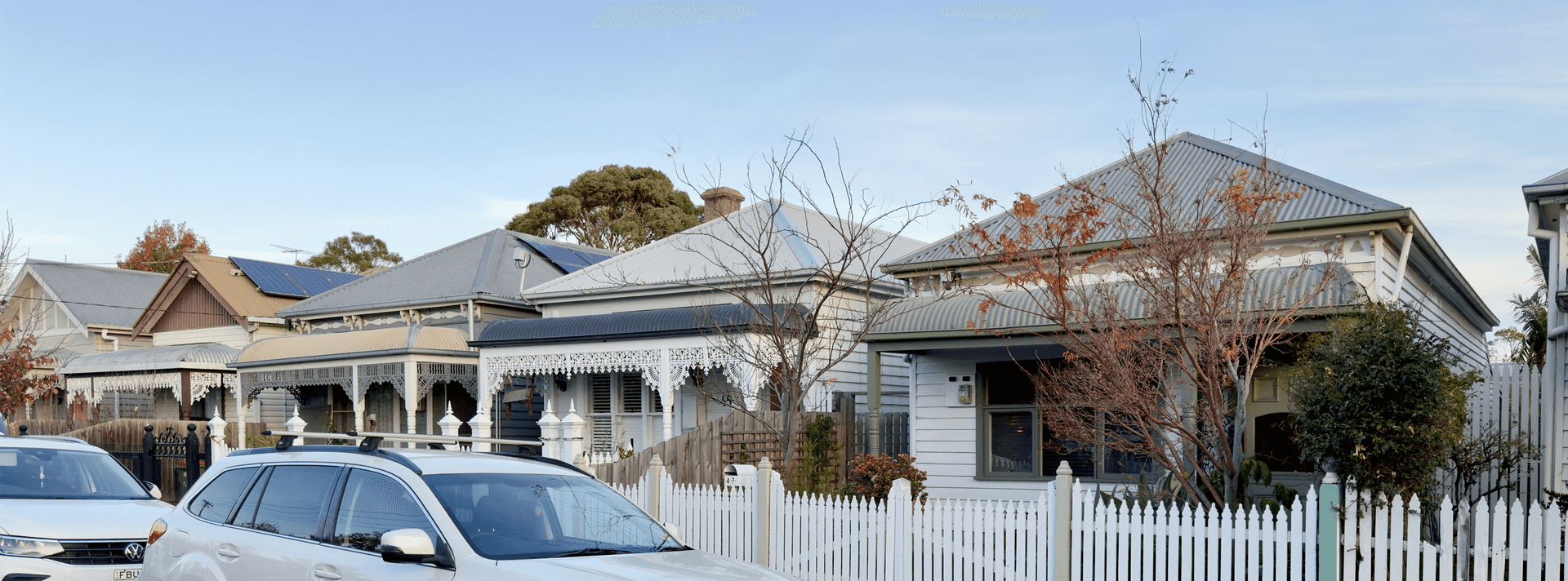
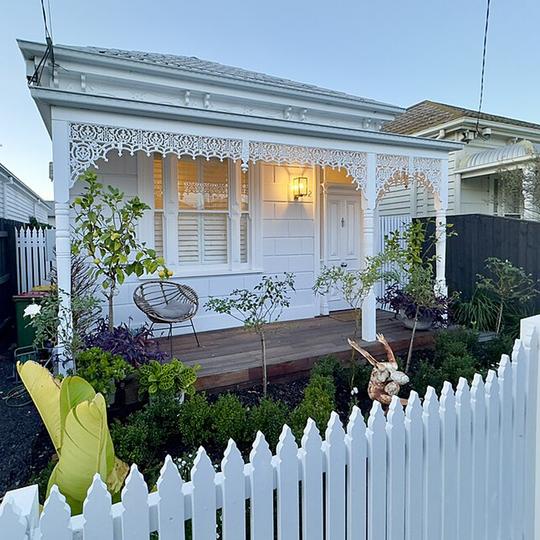
The residential streetscape consists predominantly of single-storey Victorian workers cottages and Edwardian terrace houses, with some larger double-storey early 20th century buildings concentrated in the village area. Street names follow monarchical theme, reading west to east as Charles intersects with Alfred, Edward, Henry, James, William, Victoria running parallel to Windsor, terminating at Albert. This heritage housing stock attracts buyers seeking period character and renovation potential, creating tightly held market where owner-occupiers increasingly dominate as regulatory changes in the late 2010s and early 2020s pushed investors to sell. The demographic shifted dramatically: median household income more than doubled from $1,154 weekly in 2006 to $2,471 by 2021, with over 40 percent of employed residents now working professional services and close to 20 percent in managerial roles.
Daily life revolves around the village feel that residents describe with genuine affection. Mornings see young mothers with prams filling cafes, weekends bring neighbours to Harris Reserve playground or Mappin Reserve for ball games and exercise. The annual Seddon Festival, organized by the Seddon Community Group with Maribyrnong Council support, closes streets and brings the community together in celebration. This village atmosphere emerges partly from physical design: the main streets of Victoria, Charles, and Gamon once accommodated tram lines now replaced with central garden beds and tree plantings, creating pedestrian-friendly thoroughfare rather than traffic corridor. The walkability defines living in Seddon for many residents, who manage with single vehicles or no car at all, relying instead on walking, cycling, or public transport.
The cafe and restaurant scene punches above its weight for such a small suburb. Residents reference specific establishments with familiarity that signals genuine local attachment rather than tourist discovery, creating dining circuit that extends into neighbouring Yarraville and Footscray when variety calls. The compact size means nothing sits far from anything else: station, cafes, parks, shops all within easy walking radius. This accessibility combined with heritage aesthetics and strong community bonds creates the understated charm residents praise, where people are relaxed, friendly, and maintain genuine sense of connection to place and each other.
Transport infrastructure serves Seddon property through the station on Werribee and Williamstown railway lines, delivering ten-minute journeys to the CBD during peak services. Middle Footscray Station on the Sunbury line sits close enough to village centre that some residents use it interchangeably, while bus routes 223 and 472 provide additional connectivity. The proximity to multiple lines creates flexibility unusual for such a small suburb, though parking scarcity means many families limit themselves to single vehicles despite two-income professional households. Cyclists use the bike-friendly streets and paths connecting to the city and surrounding suburbs, reinforcing the car-lite lifestyle that appeals to environmentally conscious residents.
School access requires looking beyond Seddon's boundaries given the tiny size. Primary students typically attend Footscray City Primary School or St Augustine's Primary School in nearby Footscray and Yarraville. Adolescent students choose Footscray High School or Bayside P-12 College. As gentrification progresses, increasing numbers attend Melbourne Grammar School and Melbourne Girls Grammar School, reflecting rising household incomes and professional-class aspirations. Yarraville Special Development School serves special needs students minutes away. The lack of schools within Seddon itself creates minor inconvenience offset by small size making everything nearby.
Green space distributes throughout the suburb in small gardens, parks, and playgrounds. Harris Reserve on Gamon Street and Thomson Street provides corner park amenity, while Bristow Reserve on Pilgrim Street and John Street attracts toddlers and barbecue gatherers. Mappin Reserve, the largest at seven total parks covering 2.5 percent of total area, sits between Bell Street and Nicholson Street. The nearby Footscray Park, Yarraville Gardens, and Maribyrnong River extend recreational options substantially, with residents regularly using neighbouring suburbs' facilities given how walkable distances remain across the inner west.
From an investment perspective, Seddon represents the gentrification success story that Melbourne's west showcases to demonstrate transformation potential. Once ignored, ripe with crime and social issues, the suburb underwent rejuvenation from the 1980s through early 2000s, accelerating dramatically through 2010s and 2020s. Houses yield around 3 percent generally, dropping slightly as capital growth outpaces rental increases, with properties near village centre and station achieving 3.5 percent yields considered excellent for location within ten kilometres of CBD. Vacancy rates average 1.6 percent for houses, indicating consistent undersupply over twenty years that recently intensified as stock levels fell.
The cultural heritage shows in large populations of Chinese, Vietnamese, Indian, Macedonian, and Greek residents alongside Anglo arrivals driving gentrification. This diversity creates multicultural character without the concentrated ethnic precincts defining Footscray or Sunshine, instead blending into cosmopolitan mix where various backgrounds coexist in shared appreciation of village lifestyle. Employment concentrates in healthcare, government, education, and finance, with many residents commuting to high-paying CBD jobs or Footscray education precincts while choosing Seddon for residential amenity and community connection.
The honest acknowledgments involve affordability challenges as demand outstrips supply in tightly held market. Young families and first-time buyers increasingly find themselves priced out despite wanting to stay or move to Seddon, forced instead toward outer suburbs or less gentrified pockets. The rapid price appreciation creates winners among existing owners and losses among those who sold early or never bought in. School quality varies and some rate below preferred standards, requiring research and potentially travel to higher-performing institutions. Safety improved substantially but pockets still require awareness, typical of inner-city locations.
What ultimately defines Seddon is achievement of village atmosphere within genuinely urban context, combining heritage character with contemporary cafe culture, strong community bonds with professional-class demographics, and compact walkability with excellent CBD access. The transformation from semi-industrial working-class suburb to sought-after gentrified enclave happened through deliberate community building alongside market forces, creating place where residents genuinely know neighbours, frequent local businesses, and participate in community events. For buyers seeking Seddon property today, the opportunity involves joining established community with clear identity rather than speculating on future transformation. The gentrification already occurred, the village culture firmly established, the prices reflecting rather than anticipating demand. Moving to Seddon means accepting premium pricing for premium lifestyle, choosing quality of daily experience over property value growth, and joining small suburb where your face becomes familiar and your presence contributes to community fabric that existing residents worked decades to create.
The information provided is for general information purposes only and does not constitute legal, financial, or professional advice. While care has been taken to ensure accuracy, the information may not be complete, current, or applicable to your specific situation. You should always do your own research and, where appropriate, seek advice from a qualified professional before making any decisions based on this information.
Looking to buy property in Seddon?
Let's talk about what you're looking for and how we can help. No obligation, no pressure, just an honest conversation about your property goals.
The Seddon property market
Data from Q2 2025 · Victorian Property Sales Report
These charts show median property prices, sales activity, and investment metrics for Seddon. The median price represents the middle value of all sales—half sold for more, half for less—giving a more accurate picture than averages, which can be skewed by unusually high or low sales.
Price History (2013-2024)
Annual median prices showing long-term capital growth trends. Use this to assess how the suburb has performed through different market cycles.
Investment Performance
CAGR (Compound Annual Growth Rate) shows average yearly growth accounting for compounding—a key metric for comparing investment returns.
Gross Rental Yields
Annual rent as a percentage of property price. Higher yields mean better cash flow; lower yields often indicate stronger capital growth potential.
Q2 2025 Sales Volume
Number of properties sold this quarter. Higher volumes indicate more market activity and reliable pricing data.
Recent Price Changes
Quarterly shows change from last quarter; Annual (YoY) compares to the same quarter last year, smoothing seasonal effects.
Data Sources: Property sales data from Victorian Property Sales Report (Department of Transport and Planning). Rental data from Homes Victoria Rental Report. All data licensed under Creative Commons Attribution 4.0.
Demographics of Seddon
Based on 2021 Australian Census
Age Distribution
Housing Tenure
Income & Housing Costs
| Median Personal Income (weekly) | $1,274 |
| Median Family Income (weekly) | $3,199 |
| Median Rent (weekly) | $460 |
| Median Mortgage (monthly) | $2,551 |
Top Occupations
Transport to Work
Languages Spoken at Home
| English only | 75.6% |
| Vietnamese | 4.9% |
| Greek | 2% |
| Macedonian | 1.8% |
| Cantonese | 1.5% |
| Mandarin | 1.1% |
Country of Birth
| Australia | 70.5% |
| Vietnam | 3.8% |
| England | 3.1% |
| New Zealand | 2.9% |
| North Macedonia | 1.4% |
| Greece | 1% |
Dwellings
| Total Dwellings | 2,406 |
| Occupied Dwellings | 2,085 |
| Unoccupied Dwellings | 258 |
Data Source: Australian Bureau of Statistics, 2021 Census of Population and Housing. View full census data →
Places of interest in Seddon
- Seddon Village shopping precinct
- Local wine bars and cafes
- Charles Street Heritage Precinct
- Victoria Street shops
Nearby attractions
- Highpoint Shopping Centre (4th largest in Australia, 500+ stores)
- Maribyrnong River Trail (extensive walking and cycling paths)
- Footscray Market (multicultural fresh food market)
- Melbourne's Living Museum of the West
- Footscray Park (Edwardian park, event venue)
Buyers agent Seddon VIC3011
Can you help me buy an investment property in Seddon?
Yes, we specialise in helping investors purchase property in Seddon. We analyse rental yields, capital growth potential, tenant demand, and property management considerations. Our investment-focused approach identifies properties with strong rental appeal, low maintenance requirements, and solid long-term growth prospects.
How do you find properties in Seddon before they're listed publicly?
Our relationships with real estate agents, industry contacts, and local networks in Seddon give us early access to properties before they hit the market. We actively search for off-market opportunities that match your criteria, giving you less competition and often better negotiating leverage than publicly advertised properties.
What should I prepare before starting my property search in Seddon?
Before searching in Seddon, secure pre-approval for your loan, understand your budget including all purchase costs, and clarify your must-haves versus nice-to-haves. We'll discuss your timeline, any constraints, and what success looks like for you. This preparation ensures we can move quickly when the right property appears.
What ongoing support do you provide after purchasing in Seddon?
After your purchase in Seddon settles, we remain available for questions about property management, future renovations, or market updates. While our formal service ends at settlement, we maintain relationships with clients and are happy to provide guidance as you settle into your new property or manage your investment.
What suburbs do you cover besides Seddon?
We specialise in Seddon and Melbourne's western suburbs including Altona, Williamstown, Yarraville, Footscray, Seddon, Newport, Point Cook, Werribee, and Tarneit. Our focused geographic area means we have deep local knowledge rather than superficial coverage of broader Melbourne. This expertise is crucial for identifying the best opportunities.