Buyers agent for Maribyrnong VIC3032
Your complete Maribyrnong property guide
Your trusted guide to finding the perfect property in Maribyrnong.
Book your free consultation
Trish Moore B.Bus (Acc) FCA
Principal Buyers Agent
Estate Agent Licence
VIC 087665L

Loading map...
What's it like living in Maribyrnong?
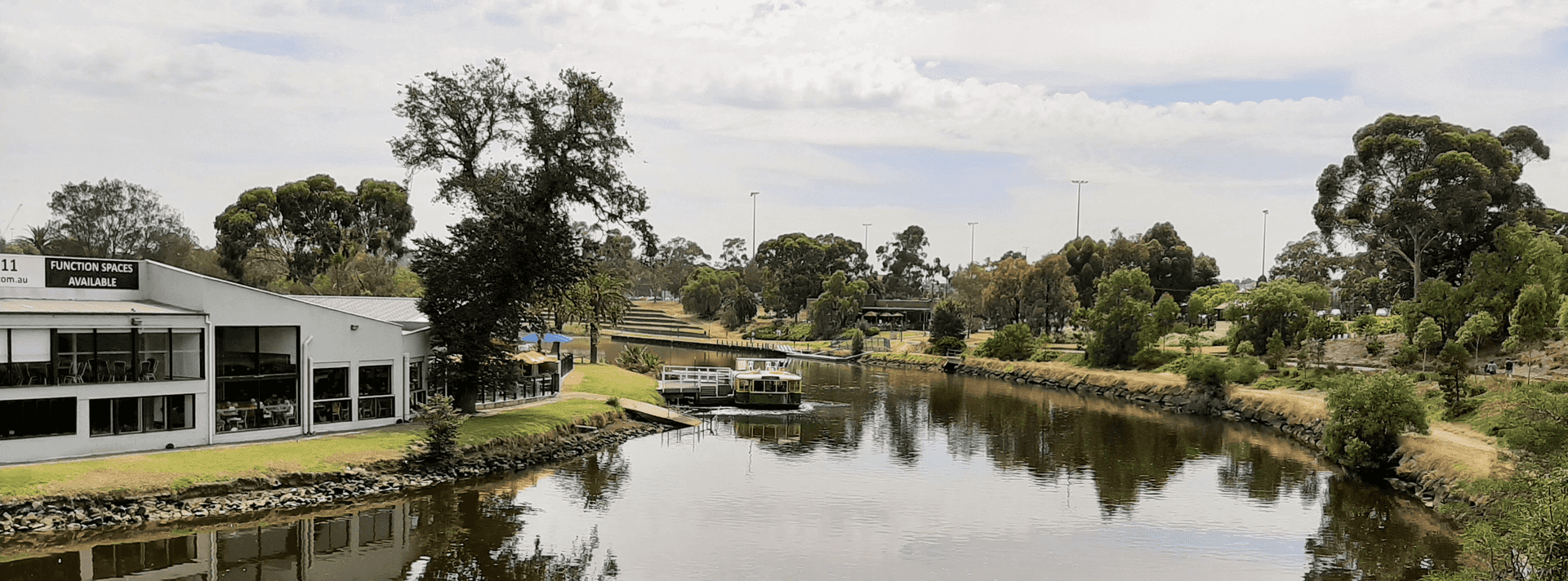
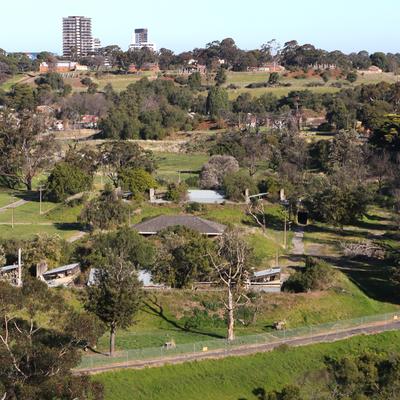
Eight kilometres northwest of Melbourne's CBD, Maribyrnong wraps around a dramatic horseshoe bend in the Maribyrnong River that gives the suburb both its name and its defining geographic feature. Stand at Pipemakers Park and you can see how the river curves back on itself, creating a natural peninsula that once housed one of Australia's most significant defence sites. The 128-hectare former Explosives Factory Maribyrnong occupies this bend, a heritage-listed munitions manufacturing complex that employed 8,000 workers at its World War Two peak and now sits contaminated, contested, and awaiting redevelopment that could reshape this suburb fundamentally. This tension between industrial past and residential future defines much of living in Maribyrnong today.
The suburb attracts young families drawn by riverside living without inner-city price tags, professionals seeking eight-kilometre proximity to the CBD, and multicultural communities establishing roots in Melbourne's west. With a population around 12,600 and a median age of 36, Maribyrnong skews younger than many western suburbs. Roughly 40 percent of residents were born overseas, speaking languages from Vietnamese and Cantonese to Greek, Italian, and Spanish. The demographic mix creates genuine diversity rather than monoculture, evident in school playgrounds, weekend river trails, and the neighbourly interactions residents describe fondly. Streets like Macedon Street earn particular praise for tree-lined beauty and community feel, close enough to Highpoint Shopping Centre to walk yet quiet enough that children play outside with neighbourhood kids.
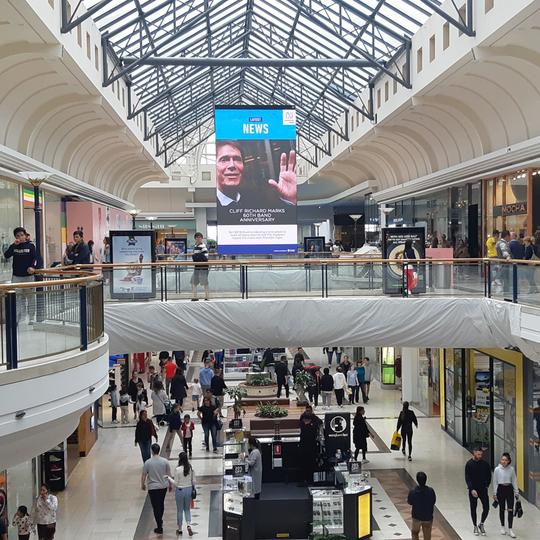
Daily life orbits Highpoint Shopping Centre, Australia's fourth-largest shopping mall sitting on Maribyrnong's doorstep. Over 500 stores handle everything from groceries to fashion, with the adjacent Maribyrnong Aquatic Centre providing pools, spa, sauna, swimming programs, and fitness classes. For residents, this one-stop arrangement means many errands happen within walking distance or a short drive. Edgewater Boulevard and Wests Road offer dining options spanning cuisines, though the suburb lacks the concentrated cafe strip culture found in Footscray or Yarraville nearby. Most socializing happens along the river, at sporting clubs, or in homes rather than at sidewalk tables. The Maribyrnong River Trail dominates weekend routines, with walkers, runners, cyclists, and families using the shared path extensively. One direction takes you through Brimbank Park toward the western suburbs; the other leads to Footscray Park and the Docklands.
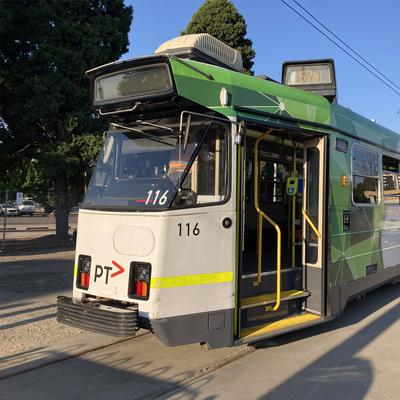
Transport presents Maribyrnong's most significant limitation and its clearest contrast with neighbouring Footscray. West Footscray and Middle Footscray stations sit roughly two kilometres from the suburb centre, requiring bus connections or drives to access train services. Tram 57 runs along Rosamond Road and Maribyrnong Road, connecting to the CBD but with journey times exceeding what eight-kilometre proximity suggests. Most residents own cars and structure their lives around driving, particularly for commuting. The proposed Maribyrnong Waterfront development includes transport improvements, though timelines remain uncertain. For now, the suburb functions as car-dependent despite inner-city distance, creating accessibility challenges for single-car families or those relying on public transport.
Green space defines Maribyrnong property more powerfully than most Melbourne suburbs. The river corridor provides continuous recreation amenity, with Thompson Reserve offering off-leash dog areas, Quarry Park mountain bike trails challenging riders, and Pipemakers Park housing Melbourne's Living Museum of the West alongside heritage industrial artifacts. The Riverside Golf and Sports Centre sits across the river with public golf course, mini golf, and driving range. These recreational facilities create genuine outdoor lifestyle appeal, particularly for families seeking space for children to explore safely. The mature exotic trees throughout the former defence site, remnants of farming and recreation use dating to the 1800s, add established vegetation rare in newer developments.
School options include local primary schools and Maribyrnong Secondary College, with the broader City of Maribyrnong offering diverse educational choices. Victoria University's nearby campuses draw students to the area, contributing to rental demand and younger demographic profile. The genuinely multicultural student populations create both educational richness and resource challenges, with many children speaking languages other than English at home. Families appreciate the community-oriented feel and relative safety, with neighbours looking after each other and children playing on quiet streets with minimal through traffic.
From an investment perspective, Maribyrnong property represents inner-city proximity with middle-ring pricing, though this gap narrows as the suburb gains recognition. The explosives factory site redevelopment looms as the defining infrastructure catalyst, with 128 hectares representing one of metropolitan Melbourne's largest urban infill opportunities. The contamination requiring remediation, over 130 dangerous chemicals present from munitions manufacturing, creates both delay and complexity. When development proceeds, estimates suggest hundreds of new homes alongside commercial, retail, and community facilities. Whether this transformation creates sustainable urban community or overwhelming density dividing current residents remains hotly debated. The Edgewater housing estate, which replaced the former Colonial Ammunition Factory in 2001, provides precedent for defence site conversion.
The honest challenges deserve acknowledgment beyond transport limitations. Crime statistics run higher than some eastern suburbs, though residents generally report feeling safe in their immediate neighbourhoods. The pending explosives factory development creates uncertainty about future character, traffic impacts, and whether community benefits materialize alongside developer profits. The contaminated site occasionally generates concerning incidents, including 2018 wildfires that blanketed Maribyrnong and Aberfeldie in smoke from burning asbestos-containing buildings. Truck traffic through residential streets impacts air quality, with community groups actively campaigning for reduced heavy vehicle access. The suburb sits within the City of Maribyrnong, Australia's smallest and most densely populated municipality, where council decisions significantly affect daily life.
What ultimately defines Maribyrnong is the river and the waiting. The river provides genuine natural amenity, established vegetation, recreational trails, and scenic beauty that attracted Joseph Raleigh to buy Crown land here in 1843 for agricultural use. The waiting involves the explosives factory site, heritage-listed for national historical significance yet sitting largely unused since Defence ceased operations in 2006. Moving to Maribyrnong means accepting this duality: enjoying established riverside living with inner-city proximity while understanding that substantial change approaches. For buyers seeking family-friendly environment with outdoor recreation, multicultural community, and Highpoint convenience within reasonable commuting distance, Maribyrnong delivers if you accept car dependence and embrace rather than resist the transformation ahead. The question isn't whether the defence site develops, but whether that development enhances or overwhelms the suburb that exists today.
The information provided is for general information purposes only and does not constitute legal, financial, or professional advice. While care has been taken to ensure accuracy, the information may not be complete, current, or applicable to your specific situation. You should always do your own research and, where appropriate, seek advice from a qualified professional before making any decisions based on this information.
Looking to buy property in Maribyrnong?
Let's talk about what you're looking for and how we can help. No obligation, no pressure, just an honest conversation about your property goals.
The Maribyrnong property market
Data from Q2 2025 · Victorian Property Sales Report
These charts show median property prices, sales activity, and investment metrics for Maribyrnong. The median price represents the middle value of all sales—half sold for more, half for less—giving a more accurate picture than averages, which can be skewed by unusually high or low sales.
Price History (2013-2024)
Annual median prices showing long-term capital growth trends. Use this to assess how the suburb has performed through different market cycles.
Investment Performance
CAGR (Compound Annual Growth Rate) shows average yearly growth accounting for compounding—a key metric for comparing investment returns.
Gross Rental Yields
Annual rent as a percentage of property price. Higher yields mean better cash flow; lower yields often indicate stronger capital growth potential.
Q2 2025 Sales Volume
Number of properties sold this quarter. Higher volumes indicate more market activity and reliable pricing data.
Recent Price Changes
Quarterly shows change from last quarter; Annual (YoY) compares to the same quarter last year, smoothing seasonal effects.
Data Sources: Property sales data from Victorian Property Sales Report (Department of Transport and Planning). Rental data from Homes Victoria Rental Report. All data licensed under Creative Commons Attribution 4.0.
Demographics of Maribyrnong
Based on 2021 Australian Census
Age Distribution
Housing Tenure
Income & Housing Costs
| Median Personal Income (weekly) | $980 |
| Median Family Income (weekly) | $2,403 |
| Median Rent (weekly) | $396 |
| Median Mortgage (monthly) | $2,000 |
Top Occupations
Transport to Work
Languages Spoken at Home
| English only | 48.3% |
| Vietnamese | 14.3% |
| Cantonese | 5% |
| Mandarin | 4.8% |
| Spanish | 2.6% |
| Italian | 2.1% |
Country of Birth
| Australia | 52.9% |
| Vietnam | 11.4% |
| China | 3.6% |
| India | 3.1% |
| Malaysia | 1.7% |
| New Zealand | 1.6% |
Dwellings
| Total Dwellings | 6,029 |
| Occupied Dwellings | 5,070 |
| Unoccupied Dwellings | 756 |
Data Source: Australian Bureau of Statistics, 2021 Census of Population and Housing. View full census data →
Schools in Maribyrnong
2 schools found
| School Name | Type | Sector | Year Range | ICSEA | Enrolments |
|---|---|---|---|---|---|
| Maribyrnong College | Secondary | Government | 7-12 | 1050 | 1,338 |
| St Margaret's Primary School | Primary | Catholic | Prep-6 | 1125 | 443 |
Data Source: Australian Curriculum, Assessment and Reporting Authority (ACARA), MySchool data. ICSEA (Index of Community Socio-Educational Advantage) represents the relative socio-educational advantage of students. The average ICSEA score is 1000.
Places of interest in Maribyrnong
- Highpoint Shopping Centre (4th largest in Australia, 500+ stores)
- Pipemakers Park (historic bluestone buildings from 1848)
- Melbourne's Living Museum of the West
- Maribyrnong River Trail
- Jack's Magazine (1878 historic gunpowder magazine)
- Burndap Park
- Maribyrnong Aquatic Centre
- Riverside Golf and Sports Centre
- Frog Hollow Wetland
- Thompson Reserve
- Burton Crescent Reserve
Nearby attractions
- Highpoint Shopping Centre (4th largest in Australia, 500+ stores)
- Maribyrnong River Trail (extensive walking and cycling paths)
- Footscray Market (multicultural fresh food market)
- Melbourne's Living Museum of the West
- Footscray Park (Edwardian park, event venue)
Buyers agent Maribyrnong VIC3032
How do I know if a property in Maribyrnong is good value?
Determining property value in Maribyrnong requires analysing recent comparable sales, understanding local market trends, assessing property condition, and evaluating location factors. We conduct thorough due diligence on every property, comparing it against similar homes to ensure you're paying a fair price and not overpaying in a competitive market.
How do you negotiate better prices for properties in Maribyrnong?
Our negotiation success in Maribyrnong comes from thorough market research, understanding seller motivations, and strategic positioning. We know what properties are genuinely worth and use this knowledge to negotiate firmly but fairly. Our professional relationships and experience mean we can achieve outcomes that private buyers typically can't.
Do you work with property investors looking to buy in Maribyrnong?
Yes, we work extensively with property investors in Maribyrnong. We analyse investment metrics including rental yields, capital growth potential, tenant demographics, and maintenance considerations. Our approach is data-driven and focuses on properties that will perform well financially, not just those that look appealing emotionally.
Can you help with renovator properties or fixer-uppers in Maribyrnong?
Yes, we can identify renovation opportunities in Maribyrnong and provide guidance on renovation costs and potential. While we're not builders, we understand property potential and can help you assess whether a fixer-upper makes financial sense. We can also connect you with trusted trade professionals for renovation quotes and advice.
What suburbs do you cover besides Maribyrnong?
We specialise in Maribyrnong and Melbourne's western suburbs including Altona, Williamstown, Yarraville, Footscray, Seddon, Newport, Point Cook, Werribee, and Tarneit. Our focused geographic area means we have deep local knowledge rather than superficial coverage of broader Melbourne. This expertise is crucial for identifying the best opportunities.