Buyers agent for Hillside VIC3037
Your complete Hillside property guide
Your trusted guide to finding the perfect property in Hillside.
Book your free consultation
Trish Moore B.Bus (Acc) FCA
Principal Buyers Agent
Estate Agent Licence
VIC 087665L

Loading map...
What's it like living in Hillside?
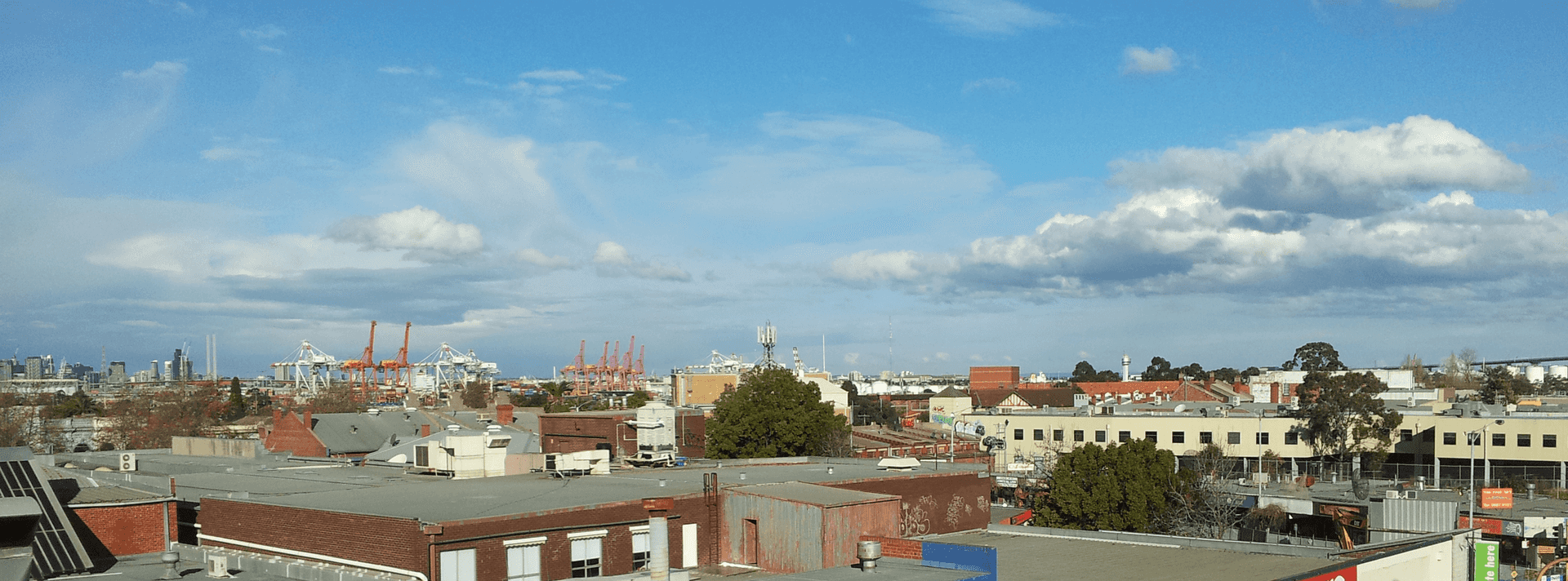
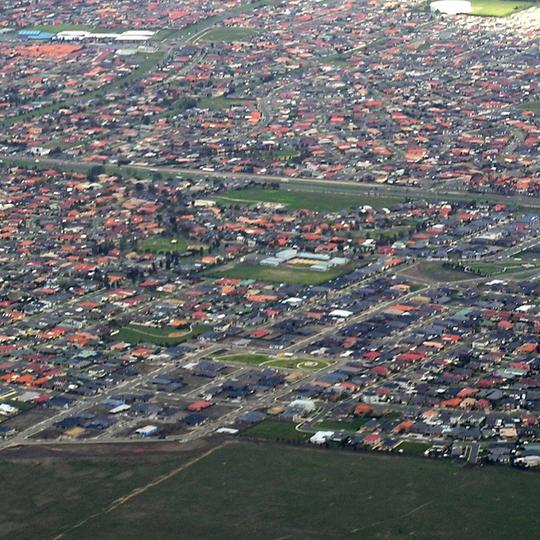
Twenty-four kilometres northwest of Melbourne's CBD, Hillside exists as a suburb defined entirely by the residential estates that created it. Formerly part of Sydenham, this is not a suburb with historical character or a traditional village centre. Instead, Hillside Melbourne represents the outer western suburbs at their most literal: modern housing developments spreading across former farmland, plane trees lining streets that didn't exist 30 years ago, and a giant water tower nicknamed The Golf Ball serving as the most recognizable landmark for kilometres around. The topography gives the suburb its name, with gently undulating streets creating elevation changes across the various estates.
The demographics tell a specific story. Couples with children dominate, drawn by newer homes with actual backyards, garages for multiple cars, and comparative affordability. The median age sits in the mid-30s, with many residents working in trades or professional occupations. The owner-occupation rate exceeds 83 percent, one of the highest in Melbourne's west, reflecting a population that bought with intention to stay. Multiple estates define the suburb's structure: Cypress Rise, Parkwood Green, Bellevue Hill, Sugargum, Hillside 2000, Banchory Grove, and Regency Rise. Each developed at different times, creating subtle variations in housing stock from smaller lots with modern townhouses to prestige blocks up to 6,000 square metres in the Hillside 2000 precinct where prices reach into seven figures.
Daily life centres on the car. Residents drive to Watergardens Shopping Centre for major shopping, drive children to school and weekend sports, drive to the train station for CBD commutes. The suburb lacks a walkable commercial core. Gourlay Road and stretches along Melton Highway offer some local services and the Sugargum Hotel provides a community gathering point, but this isn't a suburb where you stroll to your local for coffee. Weekend routines might involve the various parks dotted through the estates or using the reserves along Kororoit Creek that forms part of the suburb's boundary. The Hillside Recreation Reserve serves as a sporting hub. Families value the space and safety over urban amenities, with many reviews mentioning children playing outside and friendly neighbours.
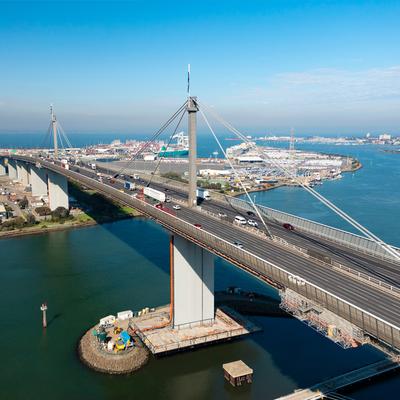
Getting around from Hillside requires acknowledging its outer location. Watergardens Station on the Sunbury line sits roughly three kilometres away, accessed via bus route 463 or by car. The train journey to the CBD takes around 35 minutes once you're on it, but factor in the bus connection and you're looking at well over an hour door to door. Most Hillside residents drive. The Calder Freeway provides direct access to the city, with 30-45 minute commutes depending on traffic. The Western Ring Road connects to the airport in roughly 20 minutes. The suburb sits in fare Zone 2, and while the Metro Tunnel project will eventually route Sunbury line trains through the city via the tunnel, this represents future improvement rather than current reality.
Green space comes in the form of neighbourhood parks within each estate rather than major regional facilities. Twenty-nine parks spread across Hillside's 8.2 square kilometres, providing playgrounds and open grass for local use. The Kororoit Creek reserves offer more substantial walking and cycling paths, connecting to the broader trail network through Melbourne's west. The Melton Highway Linear Reserve provides another corridor for recreation. These are functional spaces serving practical needs, not destinations in themselves. Calder Park Motorsport Complex sits nearby for those interested in racing, while Keilor Public golf course provides another recreational option just outside the suburb.
School zones draw from across Hillside and neighbouring areas, with Hillside Primary School and Cana Catholic College serving local families. Overnewton Anglican Community College and Gilson College operate nearby campuses. The suburb offers numerous childcare and early learning centres, catering to the young family demographic. Medical clinics and health services cluster around the main roads, though major hospital access requires travel to Sunshine or private facilities elsewhere. The infrastructure exists to support family life without requiring constant trips to other suburbs for essential services.
From an investment perspective, Hillside property represents outer western Melbourne at an accessible price point. Rental yields hover above 3 percent for houses, clearance rates remain strong, and days on market stay relatively low. The suburb benefits from genuine scarcity in supply, with limited new development given the already-established nature of most estates. Five-year compound growth rates have tracked in the 7 percent range for both houses and units, though starting from lower absolute values than middle-ring alternatives. The appeal centres on families seeking space and newer builds, creating steady tenant demand particularly from similar demographics unable to buy yet.
The multicultural character deserves mention without exaggeration. Hillside hosts diverse communities including established Italian, Maltese, and more recent Asian and Middle Eastern arrivals. Some residents note this diversity enriches the suburb, while others observe people tend to keep to themselves, lacking the intense community feel of longer-established areas. Youth crime and hoon driving surface in reviews as concerns, though perspectives vary widely on whether Hillside feels genuinely unsafe or simply suffers from typical outer suburban issues magnified by newness and car dependence.
What defines living in Hillside ultimately comes down to trade-offs understood clearly. You gain space, newer homes, comparative affordability, and genuine yards for children. You sacrifice walkability, established character, quick public transport, and the lifestyle amenities concentrated in more central locations. The 45-minute drive to Brunswick, the hour-plus public transport journey to the city, the absence of local cafes worth mentioning, these aren't deficiencies so much as realities of choosing an outer suburb. For young families prioritizing house size and outdoor space over urban convenience, the equation works. For those expecting easy access without car dependence or hoping for rapid capital growth driven by gentrification, Hillside delivers neither. The suburb knows its market and serves it adequately.
The information provided is for general information purposes only and does not constitute legal, financial, or professional advice. While care has been taken to ensure accuracy, the information may not be complete, current, or applicable to your specific situation. You should always do your own research and, where appropriate, seek advice from a qualified professional before making any decisions based on this information.
Looking to buy property in Hillside?
Let's talk about what you're looking for and how we can help. No obligation, no pressure, just an honest conversation about your property goals.
The Hillside property market
Data from Q2 2025 · Victorian Property Sales Report
These charts show median property prices, sales activity, and investment metrics for Hillside. The median price represents the middle value of all sales—half sold for more, half for less—giving a more accurate picture than averages, which can be skewed by unusually high or low sales.
Price History (2013-2024)
Annual median prices showing long-term capital growth trends. Use this to assess how the suburb has performed through different market cycles.
Recent Price Changes
Quarterly shows change from last quarter; Annual (YoY) compares to the same quarter last year, smoothing seasonal effects.
Data Sources: Property sales data from Victorian Property Sales Report (Department of Transport and Planning). Rental data from Homes Victoria Rental Report. All data licensed under Creative Commons Attribution 4.0.
Demographics of Hillside
Based on 2021 Australian Census
Age Distribution
Housing Tenure
Income & Housing Costs
| Median Personal Income (weekly) | $858 |
| Median Family Income (weekly) | $1,949 |
| Median Rent (weekly) | $385 |
| Median Mortgage (monthly) | $1,600 |
Top Occupations
Transport to Work
Languages Spoken at Home
| English only | 94.8% |
| Italian | 1% |
| Vietnamese | 1% |
Country of Birth
| Australia | 92.8% |
| New Zealand | 1% |
Dwellings
| Total Dwellings | 119 |
| Occupied Dwellings | 104 |
| Unoccupied Dwellings | 13 |
Data Source: Australian Bureau of Statistics, 2021 Census of Population and Housing. View full census data →
Schools in Hillside
2 schools found
| School Name | Type | Sector | Year Range | ICSEA | Enrolments |
|---|---|---|---|---|---|
| Parkwood Green Primary School | Primary | Government | Prep-6 | 1009 | 553 |
| Cana Catholic Primary School | Primary | Catholic | Prep-6 | 1042 | 460 |
Data Source: Australian Curriculum, Assessment and Reporting Authority (ACARA), MySchool data. ICSEA (Index of Community Socio-Educational Advantage) represents the relative socio-educational advantage of students. The average ICSEA score is 1000.
Places of interest in Hillside
- Hillside Park
- Community Gardens
- Local Playgrounds
Nearby attractions
- Watergardens Town Centre in Taylors Lakes (250+ stores, major shopping and entertainment hub)
- Organ Pipes National Park (near Keilor)
- Brimbank Park
- Kororoit Creek Regional Park

Buyers agent Hillside VIC3037
Do you have access to off-market properties in Hillside?
Yes, our network in Hillside includes real estate agents, developers, and property owners who offer properties before public listing. These off-market opportunities often mean less competition and better negotiating positions. We actively source these properties and present only those that meet your specific criteria.
How do you negotiate better prices for properties in Hillside?
Our negotiation success in Hillside comes from thorough market research, understanding seller motivations, and strategic positioning. We know what properties are genuinely worth and use this knowledge to negotiate firmly but fairly. Our professional relationships and experience mean we can achieve outcomes that private buyers typically can't.
Do you work with property investors looking to buy in Hillside?
Yes, we work extensively with property investors in Hillside. We analyse investment metrics including rental yields, capital growth potential, tenant demographics, and maintenance considerations. Our approach is data-driven and focuses on properties that will perform well financially, not just those that look appealing emotionally.
Can you help with renovator properties or fixer-uppers in Hillside?
Yes, we can identify renovation opportunities in Hillside and provide guidance on renovation costs and potential. While we're not builders, we understand property potential and can help you assess whether a fixer-upper makes financial sense. We can also connect you with trusted trade professionals for renovation quotes and advice.
How do I get started with buying a property in Hillside?
Start with a complimentary discovery call where we discuss your needs, budget, timeline, and goals for Hillside. We'll explain our process, answer your questions, and determine if we're a good fit for working together. If we proceed, we'll formalize our engagement and begin your property search immediately.