Buyers agent for Burnside VIC3023
Your complete Burnside property guide
Your trusted guide to finding the perfect property in Burnside.
Book your free consultation
Trish Moore B.Bus (Acc) FCA
Principal Buyers Agent
Estate Agent Licence
VIC 087665L

Loading map...
What's it like living in Burnside?
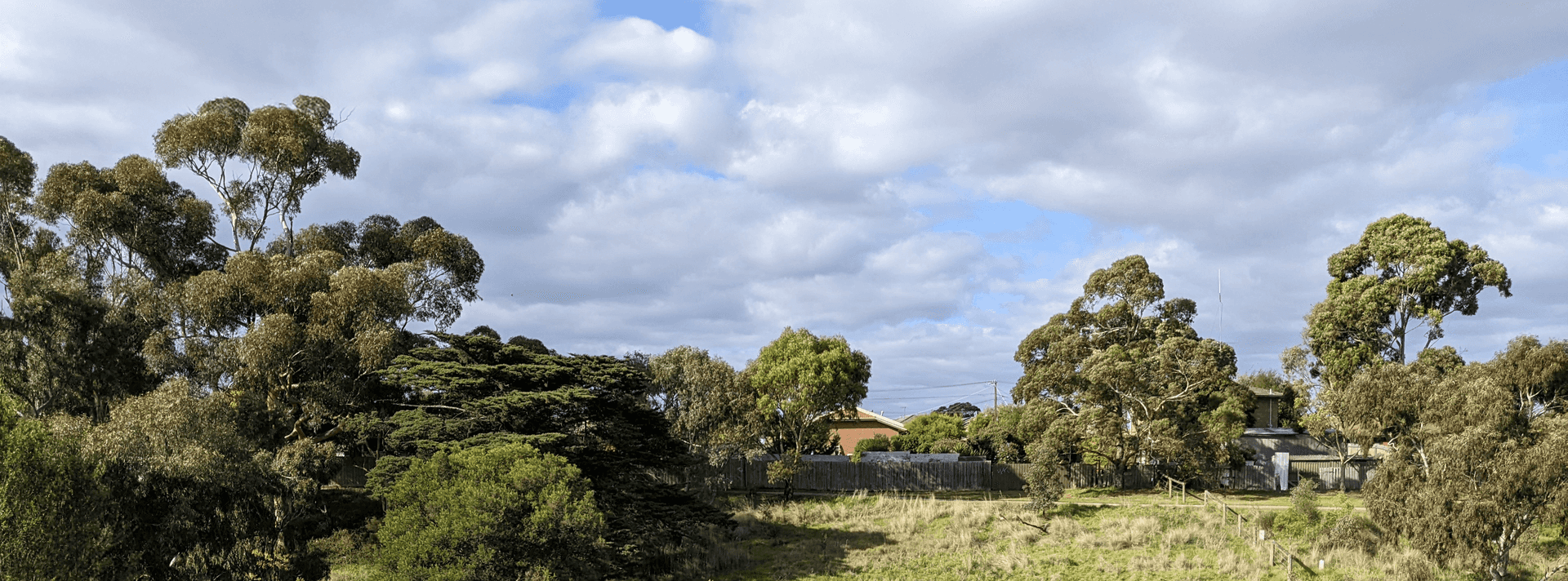
Burnside sits 22 kilometres west of Melbourne's CBD within the City of Melton, a suburb that has quietly transformed from farmland into established residential development over the past two decades. With a population approaching 6,000 residents spread across 2.5 square kilometres, Burnside presents the outer western suburbs pattern of modern estates built around the geography of Kororoit Creek, wide streets, generous blocks, and a demographic skew toward young families establishing their first or second homes. The median age hovers around 37, households are predominantly couples with children, and owner-occupiers account for 82 per cent of dwellings, with 54 per cent of homes held with mortgages averaging 2,000 dollars per month. This is a suburb where homeownership defines identity, where the mortgage is the price of space, and where families plant roots expecting to stay.
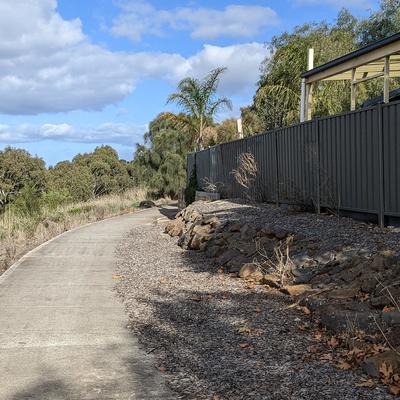
The suburb's defining feature is Kororoit Creek, which wraps around the northern and western boundaries, providing walking and cycling paths, native wildlife habitat including tiger snakes and blue-tongue lizards, and the threatened growling grass frog. The creek forms a natural boundary separating Burnside from neighbouring Burnside Heights to the north and Caroline Springs to the west. The Modeina Estate, developed by Dennis Family Corporation, represents Burnside's most recent and premium residential phase, marketing itself with creek-front lots, premium landscaping by Ian Barker, and design guidelines enforcing visual consistency. The estate's promotional language emphasises established amenity, natural surroundings, and proximity to Caroline Springs without the Caroline Springs price tag or traffic congestion.
Daily life revolves around nearby shopping rather than local convenience. Burnside itself has limited commercial infrastructure, relying heavily on Burnside Hub Shopping Centre approximately one kilometre away, which includes supermarkets, medical centres, discount chemist, and essential services. For major retail, residents drive to Caroline Springs Square (five minutes), Watergardens Town Centre (ten to fifteen minutes), or Highpoint (twenty minutes). The suburb's location between established hubs means amenity is accessible but requires car trips. Tree-lined streets, wide frontages, parks covering 10.5 per cent of the suburb's area, and playgrounds along Kororoit Creek deliver on the family-friendly promise, and residents report friendly neighbourhoods, safe streets, and a strong sense of community.
Transport presents the outer suburbs compromise. Burnside has no train station. Bus routes connect to Caroline Springs and Sunshine, with services to Watergardens Station and Keilor Plains Station adding 10 to 15 minutes before boarding trains to the CBD. Commuters rely overwhelmingly on cars, accessing the Western Ring Road via Robertsons Road or Westwood Drive for routes into the city or to Melbourne Airport. Residents report 20 to 30-minute drives to the CBD outside peak times, but peak-hour congestion on arterial roads and the Western Ring Road extends commutes significantly. The suburb's walkability score reflects car dependence, most errands require driving, and households own multiple vehicles to manage work commutes, school drop-offs, and shopping trips.
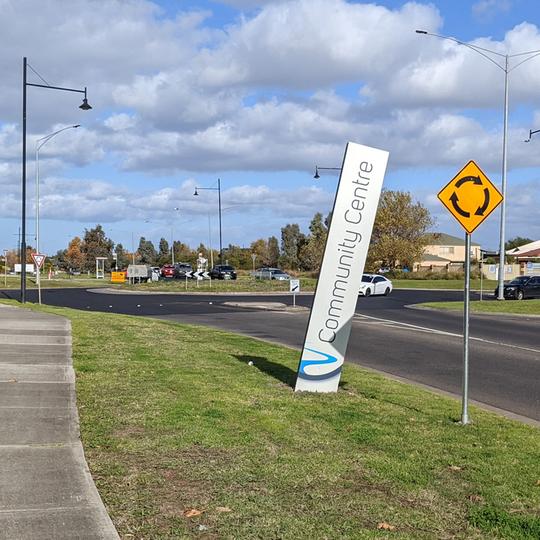
Schools serve primary-aged children locally. Burnside Primary School and the Burnside Children and Community Centre provide early education options. For secondary schooling, families look to Brookside College in Caroline Springs or travel to neighbouring suburbs, creating logistics challenges that shape household routines. The absence of a local government secondary school within Burnside itself mirrors the pattern seen across outer western growth suburbs where infrastructure lags residential development.
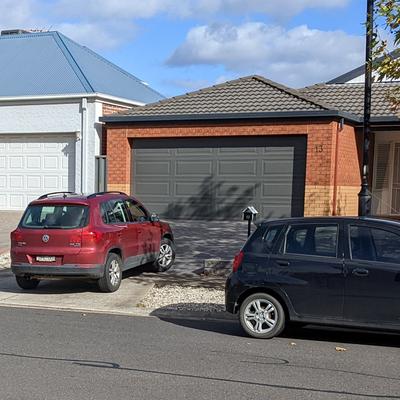
From an investment perspective, Burnside has delivered solid growth recently, with the median house price sitting around 795,000 dollars and annual capital growth of 12 per cent over the past year. Properties sell within 39 days on average, and rental yields sit around 3.7 per cent for houses with median weekly rents of 550 dollars. The rental market is small, only 10 per cent of properties are rented, reflecting the overwhelmingly owner-occupier demographic. Units are virtually non-existent, with only one sale recorded in recent periods, making Burnside almost exclusively a detached housing market. The strong growth reflects Burnside's position as an established outer suburb with amenity access rather than a greenfield edge, and the spillover demand from Caroline Springs pricing driving buyers west.
The demographic is multicultural, reflecting Melbourne's western suburbs settlement patterns. Only 41 per cent of residents speak English at home, with significant populations speaking Vietnamese, Tagalog, Spanish, Arabic, and Maltese. Common ancestries include Australian, English, Filipino, Vietnamese, and Maltese. The major employment industries are manufacturing, retail trade, healthcare, and transport, with residents working as labourers, clerical workers, and machinery operators alongside a growing professional class. This mix creates cultural diversity and community vibrancy praised by residents who describe neighbourhoods where families wave to each other during evening walks and children play in streets without traffic concerns.
Resident reviews reveal a suburb that polarises based on priorities. Long-term occupants describe Burnside as their dream location, praising the safety, cleanliness, parks, creek access, friendly neighbours, and the ability to afford large homes that would be unattainable closer to the CBD. One resident moved from South Yarra and describes the trade-off as selling a small inner-city property to afford what others call a mansion, tree-lined streets reminiscent of Prahran childhoods, and 20-minute drives to the city via the Ring Road outside peak times. Others emphasise the peaceful lifestyle, stress relief from evening bike rides past lakes and parks, and the sense of community where neighbours have lived 15 years or more.
The trade-offs are distance, car dependence, and limited local amenity beyond residential streets. Burnside has no cafes, no main street, no weekend buzz beyond what residents create themselves. For entertainment, dining, or any cultural activity, you drive elsewhere. The suburb works for families prioritising space, safety, and affordability over urban convenience or walkable village centres. It works for buyers willing to commute, willing to drive for groceries and dining, and willing to live in communities where uniformity is enforced through estate design guidelines and where architectural character comes from newness rather than heritage. For investors, the appeal lies in steady demand from families seeking western suburbs affordability, low vacancy rates, and capital growth driven by infrastructure improvements and spillover from more expensive neighbouring areas. This is not a suburb where you expect rapid gentrification or dramatic transformation. What you get is exactly what the marketing promises: established outer suburbs living with creek access, family focus, and modern homes on generous blocks.
The information provided is for general information purposes only and does not constitute legal, financial, or professional advice. While care has been taken to ensure accuracy, the information may not be complete, current, or applicable to your specific situation. You should always do your own research and, where appropriate, seek advice from a qualified professional before making any decisions based on this information.
Looking to buy property in Burnside?
Let's talk about what you're looking for and how we can help. No obligation, no pressure, just an honest conversation about your property goals.
The Burnside property market
Data from Q2 2025 · Victorian Property Sales Report
These charts show median property prices, sales activity, and investment metrics for Burnside. The median price represents the middle value of all sales—half sold for more, half for less—giving a more accurate picture than averages, which can be skewed by unusually high or low sales.
Price History (2013-2023)
Annual median prices showing long-term capital growth trends. Use this to assess how the suburb has performed through different market cycles.
Investment Performance
CAGR (Compound Annual Growth Rate) shows average yearly growth accounting for compounding—a key metric for comparing investment returns.
Q2 2025 Sales Volume
Number of properties sold this quarter. Higher volumes indicate more market activity and reliable pricing data.
Recent Price Changes
Quarterly shows change from last quarter; Annual (YoY) compares to the same quarter last year, smoothing seasonal effects.
Data Sources: Property sales data from Victorian Property Sales Report (Department of Transport and Planning). Rental data from Homes Victoria Rental Report. All data licensed under Creative Commons Attribution 4.0.
Demographics of Burnside
Based on 2021 Australian Census
Age Distribution
Housing Tenure
Income & Housing Costs
| Median Personal Income (weekly) | $676 |
| Median Family Income (weekly) | $2,054 |
| Median Rent (weekly) | $400 |
| Median Mortgage (monthly) | $2,000 |
Top Occupations
Transport to Work
Languages Spoken at Home
| English only | 41.2% |
| Vietnamese | 7.3% |
| Tagalog | 3.9% |
| Spanish | 2.7% |
| Arabic | 2.4% |
| Filipino | 2.3% |
Country of Birth
| Australia | 49.1% |
| Philippines | 6.2% |
| India | 5% |
| Vietnam | 4.7% |
| Iraq | 2.7% |
| Malta | 2.5% |
Dwellings
| Total Dwellings | 1,885 |
| Occupied Dwellings | 1,745 |
| Unoccupied Dwellings | 92 |
Data Source: Australian Bureau of Statistics, 2021 Census of Population and Housing. View full census data →
Schools in Burnside
1 school found
| School Name | Type | Sector | Year Range | ICSEA | Enrolments |
|---|---|---|---|---|---|
| Burnside Primary School | Primary | Government | Prep-6 | 1034 | 405 |
Data Source: Australian Curriculum, Assessment and Reporting Authority (ACARA), MySchool data. ICSEA (Index of Community Socio-Educational Advantage) represents the relative socio-educational advantage of students. The average ICSEA score is 1000.
Places of interest in Burnside
- Local parks and reserves
- Community recreation areas
- Family playgrounds
Nearby attractions
- Watergardens Town Centre in Taylors Lakes (250+ stores, Woolworths, Aldi, Big W, Kmart, Hoyts Cinema, Zone Bowling, Timezone, Sydenham Library, Railway Station adjacent)
- Animal Land Children's Farm in Diggers Rest (established 1990, petting zoo, pony rides, farm animals, playgrounds)
- Organ Pipes National Park (near Keilor)
- Melton Reservoir (birdwatching, bushland, wildlife including wallabies and kangaroos)
Buyers agent Burnside VIC3023
Will you represent me at auctions in Burnside?
Yes, we provide professional auction bidding services in Burnside. We research the property thoroughly, establish a bidding strategy, and represent your interests on auction day. Our auction experience means we understand buyer behaviour and know how to position bids effectively to secure properties at fair prices.
What makes your buyer's advocacy service different in Burnside?
Our approach in Burnside combines local market expertise with over 40 years of finance and property experience. We provide honest, data-driven advice rather than just trying to complete a sale. Our background in chartered accounting means we analyse properties with a rigorous, investment-focused lens that protects your interests.
How do you determine my budget for buying in Burnside?
We start by understanding your financial position, borrowing capacity, and purchase goals. We help you set a realistic budget for Burnside that accounts for stamp duty, inspections, legal fees, and settlement costs. Our financial background means we can guide you through the numbers to ensure you're comfortable with your purchase commitment.
How soon after engaging you will I find a property in Burnside?
Timeframes vary depending on your criteria, budget, and market conditions in Burnside. Some clients find their property within weeks, others take several months. We focus on finding the right property rather than rushing into a purchase. We'll give you realistic expectations based on your requirements and current market availability.
How do you handle private sale negotiations in Burnside?
For private sales in Burnside, we conduct market research to establish fair value, then negotiate directly with the selling agent. We structure offers strategically, understand seller motivations, and work to achieve the best possible price and terms. Our professional approach and market knowledge typically result in better outcomes than buyers achieve independently.