Buyers agent for Brooklyn VIC3012
Your complete Brooklyn property guide
Your trusted guide to finding the perfect property in Brooklyn.
Book your free consultation
Trish Moore B.Bus (Acc) FCA
Principal Buyers Agent
Estate Agent Licence
VIC 087665L

Loading map...
What's it like living in Brooklyn?
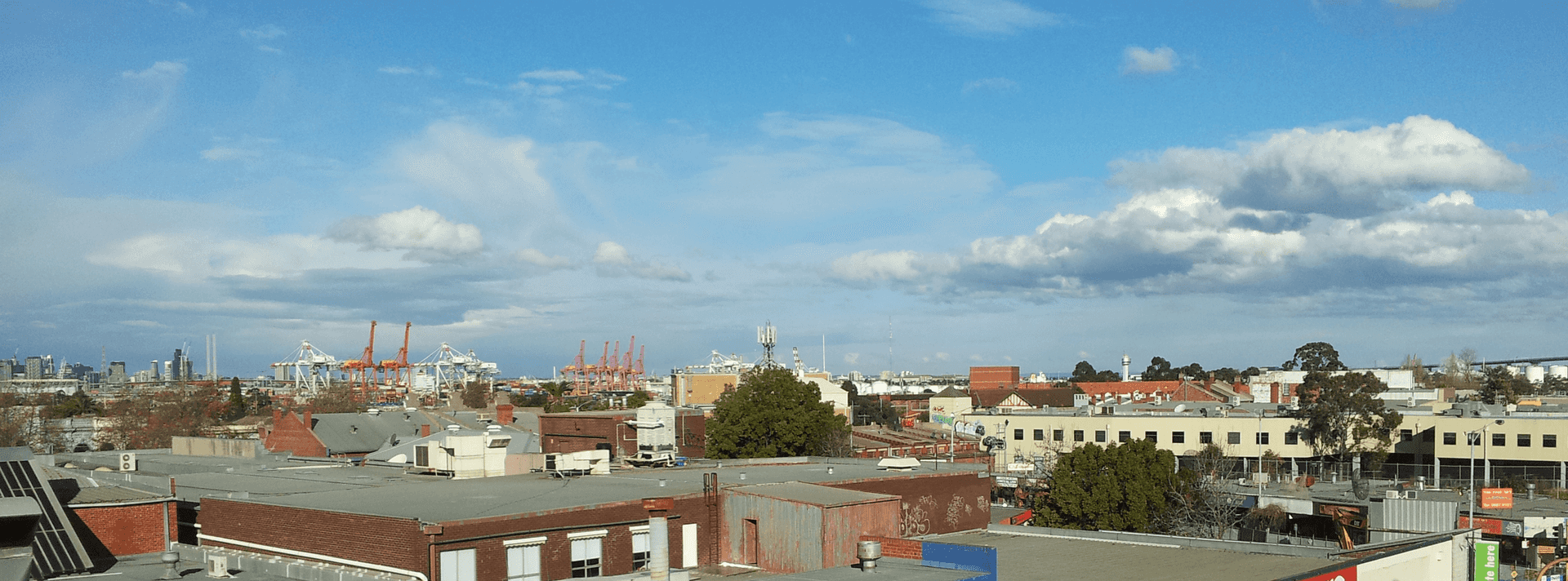
Brooklyn Melbourne sits just 10 kilometres west of the CBD, but you know you are here the moment you arrive. The West Gate Freeway roars overhead, freight trains rumble past on the Sunshine-Newport line, and logistics trucks navigate between sprawling warehouses and distribution centres. This is Melbourne's working suburb, where more than 60 industrial businesses handle the unglamorous but essential work of keeping the city running. Brooklyn is predominantly industrial land, with a modest residential pocket tucked into the southern edge near Geelong Road, home to around 2,000 people who have chosen a different kind of inner-city life.
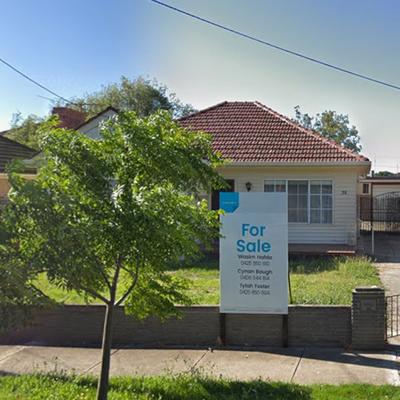
The residents of Brooklyn Melbourne are a practical bunch. Many work in nearby industrial precincts or the Port of Melbourne, drawn here by proximity to employment and surprisingly affordable housing compared to neighbouring Yarraville and Footscray. The median age sits at 33, and about 56% of residents were born in Australia, with Vietnamese, Italian, Chinese and Indian communities adding cultural diversity to this small enclave. Families here tend to be young, with many attracted by the combination of detached houses on decent blocks and a location that puts the CBD within easy reach, even if the journey requires navigating past recycling facilities and freight terminals.
Daily life in Brooklyn means accepting the industrial reality. Residents shop at small strips along Geelong Road and Eames Avenue rather than grand shopping centres. The Cleanaway Brooklyn transfer station processes waste from across the western suburbs, and odour monitoring has been in place since 2008 because, well, that is the nature of living beside working industry. People here develop a certain resilience. They walk dogs at Brooklyn Reserve, which offers a playground, barbecue area and dog park carved out between the industrial zones. The Brooklyn Bluestone Bridge, built in the 1870s from local stone for gold diggers heading to Ballarat, still stands over Kororoit Creek as a reminder that this area has always been about function over form.
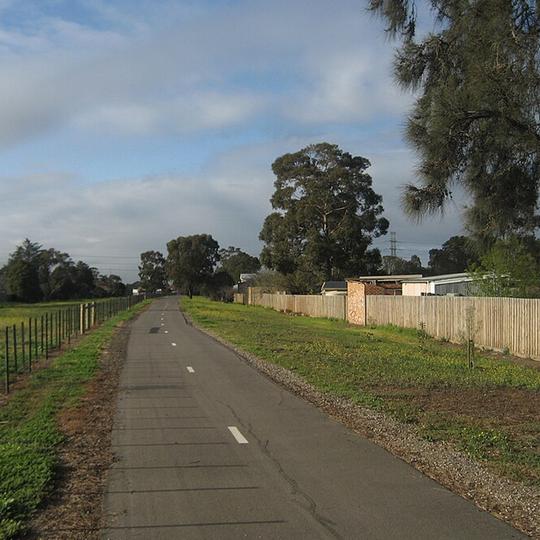
Getting around from Brooklyn is more straightforward than you might expect for such an industrial location. Multiple bus routes including the 411, 412 and 903 run through the suburb, connecting to Tottenham Station 3.4 kilometres away and Yarraville Station about 12 minutes walk to the southeast. The West Gate Freeway interchange at Millers Road puts the CBD within 15 minutes by car outside peak hour, and the Port of Melbourne sits just 11 kilometres away. For cyclists and pedestrians, the Federation Trail starts at Millers Road and runs for 23 kilometres along the historic outfall sewer route to Werribee, recently resurfaced as part of the West Gate Tunnel Project. The Kororoit Creek Trail also passes through Brooklyn, connecting to a network of shared paths across Melbourne's west.
Green space in Brooklyn is limited but functional. Brooklyn Reserve serves families with young children, while the Kororoit Creek Reserve and D.N. Duane Reserve provide pockets of respite from the industrial surrounds. The Federation Trail and Kororoit Creek Trail offer genuine nature experiences, with the creek itself home to growling grass frogs, striped legless lizards, and native vegetation including red river gums. These corridors have been extensively revegetated by community volunteers and Melbourne Water, creating wildlife havens that feel remarkably removed from the freight yards and distribution centres just metres away. The West Gate Tunnel Project has delivered new cycling and pedestrian connections, including a one kilometre link from the Kororoit Creek Trail to the Federation Trail opened in 2024.
Families in Brooklyn have access to childcare along the suburb edges, with the Brooklyn Community Centre on Cypress Avenue offering local programs. School zones typically direct children to facilities in neighbouring Tottenham, Yarraville and Altona North, where more established residential areas support larger educational infrastructure. The small residential population means Brooklyn itself does not support standalone schools, but the proximity to multiple neighbouring suburbs keeps options within reasonable distance.
For investors, Brooklyn presents an unusual proposition. The industrial land here is tightly held and highly valued, sitting within the City of Brimbank and Hobsons Bay councils with direct West Gate Freeway access. Stockland operates the Brooklyn Distribution Centre across 22 hectares, while multiple warehouses and logistics facilities continue developing. The residential pocket remains small, with housing stock limited and turnover low, but the location just minutes from the CBD and neighbouring suburbs experiencing significant gentrification creates an interesting dynamic. Brooklyn Business Park and other industrial subdivisions targeting small to medium businesses continue expanding, driven by proximity to the port and freeway access that makes this area essential for logistics operations.
Living in Brooklyn means accepting the industrial neighbours, the freight trains, the odours from waste processing, and the reality that you are surrounded by working land rather than parks and cafes. The suburb will never be pretty in the conventional sense, and the West Gate Freeway overhead makes sections feel industrial-strength gritty. But for a certain type of buyer or investor, Brooklyn offers something increasingly rare in inner Melbourne: genuine affordability within 10 kilometres of the city, substantial land holdings in a constrained market, and a location that connects directly to major employment centres. The West Gate Tunnel Project, expected to transform freight access to the port, positions Brooklyn at the centre of significant infrastructure investment that will only increase the area's industrial importance. Whether the small residential pocket grows or gradually converts to industrial use remains to be seen, but Brooklyn's role as Melbourne's essential working suburb seems assured for decades to come.
The information provided is for general information purposes only and does not constitute legal, financial, or professional advice. While care has been taken to ensure accuracy, the information may not be complete, current, or applicable to your specific situation. You should always do your own research and, where appropriate, seek advice from a qualified professional before making any decisions based on this information.
Looking to buy property in Brooklyn?
Let's talk about what you're looking for and how we can help. No obligation, no pressure, just an honest conversation about your property goals.
The Brooklyn property market
Data from Q2 2025 · Victorian Property Sales Report
These charts show median property prices, sales activity, and investment metrics for Brooklyn. The median price represents the middle value of all sales—half sold for more, half for less—giving a more accurate picture than averages, which can be skewed by unusually high or low sales.
Price History (2013-2024)
Annual median prices showing long-term capital growth trends. Use this to assess how the suburb has performed through different market cycles.
Investment Performance
CAGR (Compound Annual Growth Rate) shows average yearly growth accounting for compounding—a key metric for comparing investment returns.
Gross Rental Yields
Annual rent as a percentage of property price. Higher yields mean better cash flow; lower yields often indicate stronger capital growth potential.
Q2 2025 Sales Volume
Number of properties sold this quarter. Higher volumes indicate more market activity and reliable pricing data.
Recent Price Changes
Quarterly shows change from last quarter; Annual (YoY) compares to the same quarter last year, smoothing seasonal effects.
Data Sources: Property sales data from Victorian Property Sales Report (Department of Transport and Planning). Rental data from Homes Victoria Rental Report. All data licensed under Creative Commons Attribution 4.0.
Demographics of Brooklyn
Based on 2021 Australian Census
Age Distribution
Housing Tenure
Income & Housing Costs
| Median Personal Income (weekly) | $1,064 |
| Median Family Income (weekly) | $2,395 |
| Median Rent (weekly) | $391 |
| Median Mortgage (monthly) | $2,068 |
Top Occupations
Transport to Work
Languages Spoken at Home
| English only | 60.1% |
| Vietnamese | 4% |
| Italian | 3.2% |
| Cantonese | 2.7% |
| Spanish | 2.6% |
| Arabic | 2.3% |
Country of Birth
| Australia | 57.7% |
| India | 3.5% |
| New Zealand | 3.4% |
| Vietnam | 3.2% |
| Italy | 2.5% |
| England | 2.1% |
Dwellings
| Total Dwellings | 1,029 |
| Occupied Dwellings | 850 |
| Unoccupied Dwellings | 121 |
Data Source: Australian Bureau of Statistics, 2021 Census of Population and Housing. View full census data →
Schools in Brooklyn
1 school found
| School Name | Type | Sector | Year Range | ICSEA | Enrolments |
|---|---|---|---|---|---|
| Annunciation School | Primary | Catholic | Prep-6 | 1065 | 69 |
Data Source: Australian Curriculum, Assessment and Reporting Authority (ACARA), MySchool data. ICSEA (Index of Community Socio-Educational Advantage) represents the relative socio-educational advantage of students. The average ICSEA score is 1000.
Places of interest in Brooklyn
- Kororoit Creek Trail
- Industrial Heritage Sites
- Local Parks
Nearby attractions
- Altona Beach and Coastal Trail
- Newport Railway Museum (largest Victorian Railways collection)
- Scienceworks Museum (interactive science museum and planetarium)
- Williamstown Waterfront (maritime heritage, museums, dining)
- Hobsons Bay Coastal Trail (walking and cycling)
Buyers agent Brooklyn VIC3012
How do I know if a property in Brooklyn is good value?
Determining property value in Brooklyn requires analysing recent comparable sales, understanding local market trends, assessing property condition, and evaluating location factors. We conduct thorough due diligence on every property, comparing it against similar homes to ensure you're paying a fair price and not overpaying in a competitive market.
What areas do your buyer's advocate services cover around Brooklyn?
We specialise in Brooklyn and surrounding western suburbs of Melbourne. Our deep knowledge of the local area means we understand neighbourhood characteristics, market dynamics, and property values across the region. This local expertise is crucial for identifying the right property in the right location for your needs.
Do you work with property investors looking to buy in Brooklyn?
Yes, we work extensively with property investors in Brooklyn. We analyse investment metrics including rental yields, capital growth potential, tenant demographics, and maintenance considerations. Our approach is data-driven and focuses on properties that will perform well financially, not just those that look appealing emotionally.
Can you help with renovator properties or fixer-uppers in Brooklyn?
Yes, we can identify renovation opportunities in Brooklyn and provide guidance on renovation costs and potential. While we're not builders, we understand property potential and can help you assess whether a fixer-upper makes financial sense. We can also connect you with trusted trade professionals for renovation quotes and advice.
How do I get started with buying a property in Brooklyn?
Start with a complimentary discovery call where we discuss your needs, budget, timeline, and goals for Brooklyn. We'll explain our process, answer your questions, and determine if we're a good fit for working together. If we proceed, we'll formalize our engagement and begin your property search immediately.